
Benefits of Brush Motors in Robot Vacuum Cleaners
Brush motors are increasingly popular in the design of robot vacuum cleaners. These motors offer several advantages that enhance the overall cleaning performance and efficiency of these devices.
- High Efficiency: Brush motors are known for their ability to deliver consistent power, making them efficient for various cleaning tasks.
- Compact Size: Their smaller design allows for a more compact robot vacuum cleaner, enabling better maneuverability and access to tight spaces.
- Cost-Effectiveness: Generally, brush motors are more affordable than their brushless counterparts, making them a cost-effective choice for manufacturers and consumers alike.
- Powerful Cleaning: Brush motors can generate significant suction power, which is essential for picking up dirt, dust, and debris effectively.
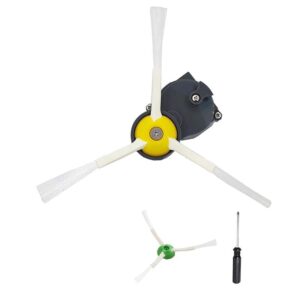

How Brush Motors Enhance Suction Power
One of the primary advantages of brush motors in robot vacuum cleaners is their ability to enhance suction power. Here’s how:
- Direct Power Transfer: Brush motors provide a direct connection between the power source and the motor, allowing for immediate and strong suction.
- Variable Speed Control: Many brush motors offer variable speed settings, enabling the vacuum to adjust its suction power based on the type of surface being cleaned.
- Brush Action: The rotating brushes help to agitate dirt and debris, making it easier for the suction to pick them up.
Comparing Brush Motors vs. Traditional Motors
When discussing robot vacuum cleaners, it’s important to compare brush motors with traditional motors. Here are some key differences:
- Performance: Brush motors generally provide better performance in terms of suction and efficiency compared to traditional motors.
- Noise Levels: Brush motors tend to operate at higher noise levels, while traditional motors may be quieter but less powerful.
- Durability: Traditional motors usually have a longer lifespan, whereas brush motors can wear out faster due to the friction from brushes.
- Cost: Brush motors are typically less expensive, making them a popular choice for budget-friendly robot vacuums.
Common Issues with Brush Motors in Robot Vacuums
While brush motors have many benefits, they can also present some challenges. Here are common issues associated with brush motors in robot vacuums:
- Overheating: Continuous use can lead to overheating, which may affect performance and durability.
- Brush Wear: The brushes can wear out over time, requiring replacement to maintain optimal performance.
- Debris Buildup: Hair and other debris can get tangled in the brushes, leading to reduced suction and efficiency.
Maintenance Tips for Brush Motors in Robot Cleaners
Proper maintenance is crucial to ensure the longevity and effectiveness of brush motors in robot vacuum cleaners. Here are some helpful maintenance tips:
- Regular Cleaning: Clean the brushes regularly to prevent hair and debris buildup.
- Monitor Temperature: Avoid prolonged use on high settings to prevent overheating.
- Inspect for Damage: Frequently check the brushes and motor for any signs of wear or damage and replace parts as necessary.
- Follow Manufacturer Guidelines: Always refer to the user manual for specific maintenance recommendations tailored to your robot vacuum model.