
Types of Sweepers: A Comprehensive Guide
Sweepers are essential tools for maintaining cleanliness in various environments, and they come in different types suited for specific needs. Below are the main types of sweepers:
- Manual Sweepers: These are operated by hand and are ideal for small areas. They are lightweight and easy to maneuver.
- Walk-Behind Sweepers: Suitable for medium-sized spaces, these sweepers allow the operator to walk behind while cleaning, making them efficient and easy to use.
- Ride-On Sweepers: Designed for larger areas, these machines are ridden by the operator and can cover more ground quickly.
- Industrial Sweepers: Built for heavy-duty use, these are often used in warehouses and factories. They can handle tough debris and larger volumes of waste.
- Battery-Powered Sweepers: Environmentally friendly and quieter, these sweepers are ideal for indoor use, such as in shopping malls or office buildings.
-
My Experience with the JEHONN Manual Carpet Sweeper for Effortless Cleaning

-
Shark V2945Z Sweeper: A Convenient Cleaning Solution for Quick Tasks

-
Effortless Yard Cleanup: 44-Inch Tow-Behind Lawn Sweeper Review

-
Essential Mop Pads for Dustin and Bobsweep Robots: A Game Changer!

-
Kärcher Outdoor Sweeper 5X: A Game Changer for Quick Cleanups

-
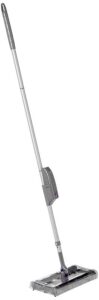
My Take on the Swivel Sweeper Cordless Cleaner: Is It Effective?
-
Roborock Mop Cloths Replacement: My Thoughts on the Qrevo Curv Pack

-
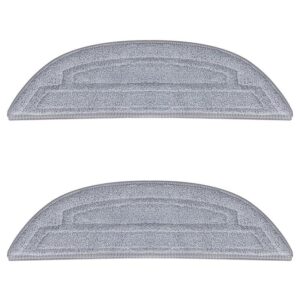
Roborock Mop Cloths for S8 Max: Essential Upgrade for Clean Floors
-
My Thoughts on the Shark Vacuum Mop Charger: Is It Reliable?

Essential Accessories for Effective Sweeping
To maximize the efficiency of your sweeper, consider investing in essential accessories. Here are some that can enhance performance:
- Replacement Brushes: Regularly changing brushes ensures optimal sweeping performance and longevity of your equipment.
- Dust Control Systems: These systems minimize dust emissions, making sweeping more effective and healthier for the operator.
- Waste Containers: Having adequate waste collection bins helps streamline the disposal process during sweeping operations.
- Maintenance Kits: These kits typically include essential tools and parts needed for routine maintenance, ensuring your sweeper remains in good condition.
- Safety Gear: Personal protective equipment (PPE) such as gloves and safety glasses are crucial for operator safety during sweeping tasks.
Benefits of Using Sweepers in Commercial Spaces
Utilizing sweepers in commercial spaces offers numerous advantages that can improve both cleanliness and efficiency:
- Time Efficiency: Sweepers can cover large areas much faster than manual cleaning methods, saving time and labor costs.
- Improved Air Quality: By effectively removing dust and debris, sweepers contribute to a healthier environment for employees and customers.
- Enhanced Appearance: Regularly using sweepers helps maintain a professional and clean appearance in commercial settings.
- Reduced Labor Costs: Automated and efficient sweeping reduces the manpower needed for cleaning tasks, allowing staff to focus on other important activities.
- Longevity of Flooring: Regular sweeping extends the life of flooring materials by preventing the buildup of dirt and grime.
How to Choose the Right Sweeper for Your Needs
Selecting the appropriate sweeper involves considering several factors to ensure it meets your specific requirements:
- Assess Area Size: Determine the size of the area you need to clean, as this will influence whether you need a manual, walk-behind, or ride-on model.
- Evaluate Surface Type: Different surfaces (carpet, concrete, etc.) may require specific types of sweepers for optimal performance.
- Consider Debris Type: Identify the type of debris you need to clean, as some sweepers are better suited for heavy debris than others.
- Look for Additional Features: Features like dust control systems and waste container capacities can influence the effectiveness of the sweeper.
- Budget: Establish a budget, as sweepers can vary significantly in price depending on their type and features.
Maintenance Tips for Longevity of Sweepers
To ensure your sweeper lasts and operates efficiently, follow these maintenance tips:
- Regular Cleaning: Clean the sweeper after each use to prevent debris buildup and maintain performance.
- Check Brushes and Filters: Inspect brushes and filters regularly, replacing them when worn to ensure effective operation.
- Follow Manufacturer Guidelines: Adhere to the manufacturer’s maintenance schedule and recommendations for best results.
- Inspect for Damage: Regularly check for signs of wear or damage, addressing any issues promptly to avoid more significant repairs.
- Store Properly: When not in use, keep the sweeper in a dry and secure location to protect it from the elements and potential damage.