
This article aims to examine the frequency of vacuuming carpets and rugs to ensure their cleanliness and longevity. We will investigate various factors that affect vacuuming schedules, such as household size, pet ownership, and the type of flooring. Furthermore, we will offer practical suggestions and tips to assist you in creating an effective cleaning routine tailored to your specific needs.
Factors Affecting Vacuuming Frequency
Determining how often to vacuum your carpets and rugs can depend on several factors. Understanding these elements can help you establish a cleaning routine that keeps your home looking its best.
- Foot Traffic: Areas with heavy foot traffic, such as hallways and living rooms, will require more frequent vacuuming compared to bedrooms or less-used spaces.
- Household Size: In homes with multiple occupants, including pets, dirt and debris tend to accumulate more quickly, necessitating more regular cleaning.
- Type of Carpet: Different carpet materials and pile heights can trap dirt differently. For instance, plush carpets may hold onto more dirt than low-pile options.
- Allergens: If you or your family members have allergies, frequent vacuuming can help reduce allergens like dust mites and pet hair.
As a general guideline, it is recommended to vacuum high-traffic areas at least two to three times a week, while less frequented spaces may only need to be vacuumed once a week or as needed.
Different Types of Carpets and Rugs
Understanding the various types of carpets and rugs can further inform your vacuuming routine. Here are some common varieties:
- Wool Carpets: Known for their durability and natural resilience, wool carpets may require more gentle vacuuming to prevent damage to the fibres.
- Synthetic Carpets: Made from materials like nylon and polyester, these carpets are generally more durable and easier to clean, making them suitable for high-traffic areas.
- Berber Rugs: These looped carpets can trap dirt within their weave, necessitating regular vacuuming to maintain their appearance.
- Shag Rugs: With longer fibres, shag rugs can collect dust and debris more easily, meaning they require frequent vacuuming with a vacuum cleaner designed for deep cleaning.
Identifying the type of carpet or rug you own can guide you in selecting the right vacuum cleaner and establishing an effective cleaning schedule.
Vacuuming Tips for Optimal Results
To achieve the best results from your vacuuming sessions, consider the following tips:
- Use the Right Vacuum: Ensure your vacuum cleaner is appropriate for the type of carpet or rug you have. For example, a vacuum with a beater brush is ideal for carpets, while a suction-only model may be better for delicate rugs.
- Adjust the Height: If your vacuum has adjustable height settings, make sure to set it according to the pile height of your carpet or rug for optimal suction.
- Vacuum in Multiple Directions: To capture hidden dirt, vacuum in different directions – this will help disturb dirt and dust that may be trapped between the fibres.
- Empty the Bag/Canister Regularly: A full vacuum bag or canister can hinder suction power. Empty it regularly to ensure your vacuum operates efficiently.
Following these tips can enhance the effectiveness of your vacuuming routine, leading to cleaner carpets and healthier air quality in your home.
Signs Your Carpet Needs Vacuuming
Recognising when your carpet or rug requires vacuuming can help maintain its appearance and longevity. Look out for the following signs:
- Visible Dirt and Debris: If you can see dust, pet hair, or other particles on the surface, it’s time to vacuum.
- Allergy Symptoms: Increased sneezing or other allergy symptoms can indicate an accumulation of allergens, suggesting a vacuum is in order.
- Faded Appearance: If your carpets look dull or lifeless, a thorough vacuuming may help restore their vibrancy.
- Lingering Odours: Unpleasant smells can be a sign of trapped dirt or pet odours, prompting the need for a deep clean.
Seasonal Considerations for Vacuuming
The changing seasons can significantly influence your vacuuming routine. Here are some considerations for each season:
- Spring: With the onset of spring, you may notice an increase in dirt and pollen. Vacuuming more frequently during this time can help alleviate allergy symptoms.
- Summer: During warmer months, pet shedding may increase, necessitating more regular vacuuming to keep hair and dander under control.
- Autumn: Falling leaves and dirt can track into your home, so consider vacuuming more often to combat outdoor debris.
- Winter: Salt and snow can cling to carpets during winter, making it essential to vacuum regularly to maintain cleanliness and prevent damage.
Maintaining Your Vacuum Cleaner
A well-maintained vacuum cleaner is crucial for effective cleaning. Here are some maintenance tips:
- Clean the Filters: Regularly check and clean or replace vacuum filters according to the manufacturer’s instructions to ensure optimal performance.
- Inspect the Brush Roll: Hair and debris can become tangled in the brush roll. Check it regularly and remove any blockages.
- Check for Clogs: Inspect hoses and attachments for clogs that can reduce suction power. Clear any obstacles promptly.
- Store Properly: Store your vacuum in a dry place to prevent moisture damage and ensure it’s ready for use when needed.
For more information on vacuum cleaners and related products, feel free to browse our product section on our website.
By understanding the factors affecting vacuuming frequency, the types of carpets and rugs, effective vacuuming techniques, and maintenance tips, you can keep your home clean and inviting.
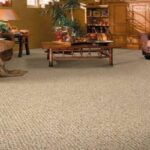 How to Remove Stains from Carpets Using a Vacuum
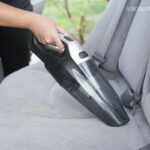 How Often Should You Vacuum Your Car?