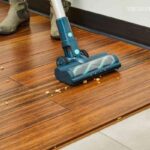
In this article, we will delve into effective strategies for vacuuming hardwood floors without inflicting scratches or damage. Maintaining the beauty of your hardwood surfaces is crucial, and we will offer practical tips and suggestions on the best vacuum types, techniques, and maintenance practices to ensure your floors remain pristine. Whether you are a seasoned homeowner or just starting with hardwood care, these insights will assist you in protecting your investment while keeping your space clean.
Understanding Hardwood Floor Scratches
Hardwood floors can add a touch of elegance to any home, but they require careful maintenance to keep them looking pristine. One of the most common issues homeowners face is scratches. Understanding the causes of these scratches is essential to prevent them.
- Type of Vacuum Cleaner: Some vacuums have hard, abrasive wheels that can damage the floor surface.
- Debris: Small stones or grit trapped in the vacuum can scratch the surface when vacuuming.
- Improper Technique: Using excessive force or incorrect angles can lead to scratches.
Being aware of these factors can help you make informed choices about how to clean your hardwood floors effectively.
Choosing the Right Vacuum
When it comes to vacuuming hardwood floors, not all vacuums are created equal. Choosing the right model can significantly reduce the risk of scratches. Here are some features to consider:
- Soft Brush Roll: Opt for vacuums with a soft brush roll or no brush roll at all, as these are gentler on hardwood surfaces.
- Rubber Wheels: Look for models that have rubber wheels rather than hard plastic, as this will minimise the chance of scratching.
- Adjustable Suction: A vacuum with adjustable suction power can help you manage the cleaning process without risking damage.
Brands like Dyson and Shark offer models that are particularly well-reviewed for use on hardwood floors. Be sure to check our product section for more insights into suitable vacuum options.
Preparing Your Floors Before Vacuuming
Preparation is key to effective vacuuming without causing damage to your hardwood floors. Follow these steps to ensure your floors are ready for cleaning:
- Clear the Area: Remove furniture and other items that could obstruct your cleaning path.
- Inspect the Floor: Look for any debris, such as small stones or pet hair, that could scratch the surface if vacuumed over.
- Dust the Surface: Use a microfiber cloth or dust mop to pick up any dust and loose dirt, reducing the amount that needs to be vacuumed.
By taking these preparatory steps, you will create a safer environment for your hardwood floors during the vacuuming process.
Vacuuming Techniques to Protect Floors
Even with the right vacuum, improper techniques can lead to scratches. Here are some best practices to follow while vacuuming:
- Use Gentle Pressure: Avoid applying too much force; let the vacuum do the work.
- Move in Straight Lines: Vacuum in straight lines rather than circles, which can cause more wear on the floor.
- Avoid Sudden Stops: Be mindful of how you stop the vacuum, as sudden stops can lead to scratches.
Practicing these techniques can help prolong the life of your hardwood floors and maintain their beauty.
Maintaining Your Vacuum for Optimal Performance
Regular vacuum maintenance is crucial for ensuring optimal performance and protecting your hardwood floors. Follow these maintenance tips:
- Empty the Dust Container: Regularly empty the dust container to ensure maximum suction power.
- Clean or Replace Filters: Make sure to clean or replace filters as recommended by the manufacturer to keep your vacuum running smoothly.
- Inspect Brushes and Wheels: Regularly check the brush roll and wheels for wear and tear, replacing them as needed.
Taking the time to maintain your vacuum will not only improve its performance but will also protect your hardwood floors from unnecessary damage.
Regular Floor Care Tips
In addition to vacuuming, regular care is essential for maintaining hardwood floors. Here are some additional tips:
- Wipe Up Spills Immediately: Liquid spills can cause damage if not cleaned up promptly.
- Use Floor Mats: Place mats at entrances to reduce the amount of dirt and grit brought onto your floors.
- Apply a Protective Finish: Consider a protective finish for your hardwood floors for added durability.
Implementing these tips can greatly enhance the longevity and appearance of your hardwood flooring.
When to Seek Professional Help
While regular maintenance and careful vacuuming can go a long way, there are times when professional help is necessary. Consider contacting a flooring specialist if:
- Deep Scratches or Damage Occur: If your floors have deep scratches or other significant damage, a professional can assess and repair it.
- Regular Maintenance Is Needed: If you find it challenging to maintain your floors, a professional cleaning service can help restore their shine.
- Refinishing Is Required: When the flooring appears dull or worn, a professional refinishing can breathe new life into it.
By understanding when to seek professional assistance, you will ensure that your hardwood floors remain in the best condition possible.
For more information and ideas on caring for your hardwood floors, be sure to check out our product section on our website.