In this article, we will delve into essential tips and considerations for selecting the most effective vacuum cleaner specifically designed to tackle pet messes. From understanding the various features that cater to pet hair and dander removal to evaluating different types of vacuums available on the market, we will provide helpful suggestions to ensure you make an informed decision. Whether you’re a seasoned pet owner or contemplating adopting a furry friend, our guide will equip you with the knowledge needed to maintain a clean and welcome home.
Understanding Pet Messes
Pet ownership brings joy, companionship, and often, a fair amount of mess. Whether it’s shedding fur, muddy paw prints, or the occasional accident, dealing with pet messes is an inevitable part of having furry friends. Understanding the nature of these messes is crucial for choosing the right cleaning tool.
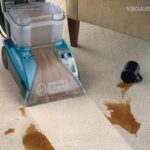
Pet hair tends to cling to fabrics and carpets, making it challenging to remove without the right equipment. Additionally, pet urine and other stains can seep into carpets and upholstery, leading to lingering odours if not cleaned properly. Recognising these issues will help you select a vacuum that not only removes dirt but also addresses the specific challenges posed by pet ownership.
Key Features to Look For
When searching for the ideal vacuum for pet messes, several key features should be at the forefront of your decision-making process:
- Strong Suction Power: A vacuum with robust suction is essential for lifting embedded pet hair and debris from carpets and upholstery.
- HEPA Filters: High-Efficiency Particulate Air (HEPA) filters trap allergens and dander, making the air cleaner for both you and your pets.
- Easy to Clean: Look for models that have easy-to-empty dust bins and washable filters to save time and hassle.
- Specialised Attachments: Tools such as pet hair brushes or crevice tools can be invaluable for reaching tight spots and effectively removing fur.
- Lightweight and Maneuverability: A vacuum that is easy to handle will make cleaning less of a chore, especially in multi-level homes or areas with tight spaces.
Types of Vacuums for Pet Owners
There are various types of vacuums available, each with its unique advantages for pet owners:
- Upright Vacuums: These offer powerful suction and are ideal for deep cleaning carpets. Many models come with specialised pet attachments.
- Canister Vacuums: These are more versatile and can easily transition between different surfaces, making them suitable for mixed flooring homes.
- Robotic Vacuums: For pet owners who are short on time, robotic vacuums can autonomously clean pet hair and debris, though they may not be as effective on deep carpets.
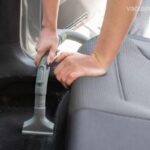
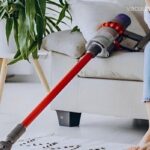
- Handheld Vacuums: Perfect for quick clean-ups of pet messes, these compact models are easy to store and can tackle furniture and car interiors effectively.
Top Brands to Consider
When it comes to vacuums designed specifically for pet owners, several brands stand out for their quality and innovation:
- Dyson: Renowned for their powerful suction and advanced filtration systems, Dyson vacuums often come with a range of attachments designed for pet hair.
- Shark: Offering versatile models with anti-hair wrap technology, Shark vacuums are popular among pet owners for their efficiency and ease of use.
- Bissell: Known for their pet-specific vacuums, Bissell integrates features that help with both fur and stains, making them a solid choice for pet households.
- Hoover: With a variety of models at different price points, Hoover vacuums are reliable and user-friendly, often featuring specialised pet tools.
- iRobot: The iRobot Roomba series offers robotic solutions that provide automated pet hair clean-up, perfect for busy pet owners.
Budgeting for Your Vacuum
Establishing a budget is a crucial step in your journey to purchase a vacuum. The prices can fluctuate greatly depending on the type and features of the vacuum. Here are some guidelines to keep in mind:
- Entry-Level Models: Basic vacuums are available for around £50 to £150, making them ideal for lighter cleaning tasks.
- Mid-Range Options: Prepare to invest between £150 and £300 for vacuums that come with more advanced features, such as HEPA filters and specialized pet attachments.
- High-End Models: Premium vacuums can exceed £300, offering powerful suction, cutting-edge technology, and extensive warranties.
It’s vital to balance your budget with your specific cleaning needs. Investing in a quality vacuum can ultimately save you time and effort in the long run, particularly in a household with pets.
Maintenance Tips for Longevity
Proper maintenance is key to ensuring your vacuum operates effectively over time. Here are some tips:
- Regularly Empty the Dust Bin: Keeping the dust bin clean ensures optimal suction and prevents clogs.
- Check and Clean Filters: Wash or replace filters as recommended by the manufacturer to maintain air quality and vacuum performance.
- Inspect Brushes and Belts: Remove hair and debris from brushes, and check belts for wear and tear to prevent reduced efficiency.
- Store Properly: Store your vacuum in a dry place and avoid overheating, which can damage the motor.
Customer Reviews and Recommendations
Before making a purchase, it’s wise to consider customer reviews and recommendations. Many pet owners share their experiences online, detailing how well different models perform in real-life situations. Websites and forums can provide insights into the durability, ease of use, and effectiveness of various vacuums.
You can also check our product section for detailed reviews and comparisons of the best vacuums suited for pet messes. By leveraging the experiences of others, you can make a more informed decision that aligns with your cleaning needs.
In conclusion, selecting the right vacuum for pet messes involves understanding the unique challenges of pet ownership, evaluating key features, considering various types of vacuums, and reviewing different brands. With careful budgeting and maintenance, you can find a vacuum that keeps your home clean and welcome for both you and your furry companions.