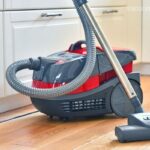
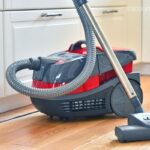
In this article, we will present a comprehensive guide on how to clean your vacuum cleaner effectively, step by step. Regular maintenance of your vacuum not only prolongs its lifespan but also ensures optimal performance, making your cleaning tasks much easier. We will cover essential tips and suggestions on various aspects of vacuum cleaner care, from emptying the dust container to checking and replacing filters, ensuring your appliance remains in top condition.
Preparing Your Vacuum for Cleaning
Before diving into the cleaning process, it’s crucial to prepare your vacuum cleaner properly. Taking these initial steps will help ensure that you can perform maintenance without any hiccups.
- Gather necessary tools: Collect items such as a screwdriver (if needed), a soft cloth, warm soapy water, and a brush for cleaning. Having everything at hand will streamline the process.
- Unplug and disassemble: Always disconnect the vacuum from the power source to prevent any accidents. Carefully disassemble components as per the manufacturer’s instructions, ensuring not to lose any screws or small parts.
Cleaning the Filters
Filters play a crucial role in maintaining the suction power of your vacuum. Clean filters not only enhance performance but also prolong the life of your device.
- Remove filters carefully: Locate the filters in your vacuum cleaner. They are often found near the dust container or within the motor housing. Gently remove them, taking care not to damage any clips or attachments.
- Wash or replace filters: Depending on the type of filter, you can either wash them in warm soapy water and let them air dry completely or replace them if they are disposable. Always refer to the user manual for specific instructions regarding filter maintenance.
Cleaning the Dust Container
The dust container collects all the debris that your vacuum sucks up. Keeping it clean not only ensures optimal performance but also prevents unpleasant odours.
- Empty the dust bin: Carefully detach the dust container from the vacuum. Over a trash bin, empty its contents, ensuring you dispose of any debris responsibly.
- Wipe and rinse container: Use a damp cloth to wipe the interior and exterior of the dust container. If it’s particularly dirty, rinsing it with warm water can help. Make sure it is thoroughly dry before reattaching it to the vacuum.
Checking and Cleaning the Brush Roll
The brush roll is essential for agitating dirt and debris from carpets. A clean brush roll enhances cleaning efficiency.
- Remove hair and debris: Inspect the brush roll for tangled hair, strings, or debris. Use scissors or your fingers to remove any build-up carefully. This will prevent strain on the motor and improve suction.
- Inspect for damage: While cleaning, check the brush roll for any signs of wear or damage. If the bristles are worn down or if the brush roll is cracked, consider replacing it for optimal performance.
Cleaning the Hoses
Vacuum hoses can often become clogged with dirt and debris, which negatively impacts suction. Therefore, regular inspection and cleaning of the hoses are essential for preserving your vacuum’s effectiveness.
- Detach hoses from the vacuum: Carefully disconnect the hoses from the vacuum. This may require twisting or unclipping, so be sure to follow the manufacturer’s guidelines.
- Clear any blockages: Utilize a long, flexible brush or a straightened coat hanger to remove any debris that may be lodged in the hoses. You can also rinse the hoses with warm water, but ensure they are completely dry before reattaching.
Reassembling Your Vacuum
After cleaning all components, it’s time to put your vacuum back together. Proper reassembly is key to ensuring that your vacuum operates correctly.
- Reattach all parts securely: Start by reattaching the cleaned filters, dust container, and hoses. Make sure each part clicks or screws back into place correctly.
- Ensure everything is in place: Double-check that all components are reassembled correctly. A loose part could affect the vacuum’s performance or even cause damage during operation.
Final Check and Maintenance Tips
Once your vacuum is cleaned and reassembled, performing a final check will help ensure everything is in working order.
- Test the vacuum: Plug in your vacuum and turn it on, checking for any unusual noises or lack of suction. If everything seems normal, you’re good to go!
- Schedule regular cleanings: To maintain your vacuum’s efficiency, establish a regular cleaning schedule. Depending on usage, cleaning every few months can help preserve its performance and longevity.
For more tips and tricks on maintaining your home appliances, don’t forget to check out our product section on our website, where you can find helpful resources tailored to your needs.