In this article, we will examine the diverse methods and innovative ideas for recycling old vacuum cleaners, making sure that you can dispose of them in a responsible and sustainable manner. From gaining insight into the components that can be reused or recycled, to uncovering local recycling initiatives and providing tips for donating functional appliances, our goal is to equip you with practical suggestions that help reduce waste and foster environmental awareness. Join us as we explore the best practices for giving your old vacuum cleaner a new lease of life.
Benefits of Recycling Vacuum Cleaners
Recycling old vacuum cleaners is not just a responsible choice; it is essential for promoting sustainability. Here are some key benefits associated with recycling these household appliances:
Environmental Advantages
Recycling vacuum cleaners significantly reduces the environmental impact associated with their disposal. By recycling, we can prevent harmful materials from ending up in landfills, where they can leak toxic substances into the soil and groundwater.
Resource Conservation
Vacuum cleaners are made from various materials, including plastics, metals, and electronic components. Recycling helps to conserve these valuable resources by allowing them to be processed and reused in new products, reducing the need for virgin materials.
Reducing Landfill Waste
The sheer volume of waste generated by discarded appliances is staggering. By recycling vacuum cleaners, we can significantly decrease the amount of waste sent to landfills. This not only extends the lifespan of existing landfills but also reduces the environmental footprint associated with new landfill creation.
Preparing Your Vacuum Cleaner for Recycling
Before you recycle your vacuum cleaner, it is important to prepare it properly to ensure that the recycling process is as effective as possible.
Disconnecting and Cleaning
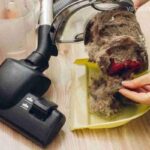
Start by unplugging the vacuum cleaner and removing any attachments. Make sure to clean out any dust or debris from the bag or canister. A clean appliance is more likely to be accepted by recycling centres, as it reduces contamination risks.
Removing Non-Recyclable Parts
Many vacuum cleaners have components that cannot be recycled. Check your vacuum for parts made of non-recyclable materials, such as certain plastics or batteries. Carefully remove these components and dispose of them according to local regulations.
Where to Recycle Your Vacuum Cleaner
Once your vacuum cleaner is prepared, you can explore various options for recycling it.
Local Recycling Centres
Many local councils have recycling centres that accept electrical appliances, including vacuum cleaners. Check with your local authority for specific locations and guidelines for dropping off your old appliance.
Retailer Take-Back Programmes
Some retailers offer take-back programmes where you can return your old vacuum cleaner when purchasing a new one. This can be a convenient option, allowing you to recycle your old appliance while shopping for a new one.
Charity Shops and Donation Options
If your vacuum cleaner is still functional, consider donating it to a charity shop or community organisation. Many local charities welcome appliance donations, which can be refurbished and sold to raise funds for their causes.
Alternatives to Recycling
If recycling isn’t the right option for your old vacuum cleaner, there are other ways to give it a second life.
Upcycling Ideas
Upcycling involves creatively repurposing your old vacuum cleaner into something new. For instance, the hose can be transformed into a plant watering tool, or the body can be converted into a unique piece of garden art. The possibilities are limited only by your imagination!
Repair and Refurbishment Options
Before deciding to recycle, consider whether your vacuum cleaner can be repaired or refurbished. Many local repair shops specialise in electrical appliances and can fix common issues, extending the life of your vacuum cleaner and reducing waste.
Responsible Disposal Practices
If recycling or repurposing isn’t an option, it’s essential to dispose of your vacuum cleaner responsibly.
Guidelines for Hazardous Materials
Some vacuum cleaners contain hazardous materials, such as batteries and electronic components. Check local waste disposal guidelines to ensure you are disposing of these materials in a safe and eco-friendly manner.
Eco-Friendly Disposal Methods
If you must dispose of your vacuum cleaner, look for eco-friendly disposal options in your area. Many local councils offer special collection days for electronic waste, ensuring that materials are processed in an environmentally responsible way.
In conclusion, recycling or responsibly disposing of your old vacuum cleaner can make a significant difference in reducing waste and conserving resources. Whether you choose to recycle, upcycle, or donate, every action counts toward a more sustainable future. For more information on recycling and sustainable practices, feel free to browse our website, where we also have a product section that you might find interesting!