
In this article, we will delve into effective techniques for vacuuming that minimize the scattering of dust and allergens, ensuring a cleaner and healthier living environment. We will discuss the significance of using the right equipment, the best practices for vacuuming different surfaces, and various tips to enhance your overall cleaning routine. Whether you’re a seasoned cleaner or new to household chores, you’ll find valuable suggestions to improve your vacuuming skills and achieve a dirt-free home.
Understanding Dust Dynamics
Dust is an inevitable part of everyday life, accumulating in homes, offices, and public spaces. Understanding its composition and behaviour can significantly improve your vacuuming efficiency.
- Composition: Dust primarily consists of tiny particles, including skin cells, pet dander, pollen, and dirt. These particles can be lightweight, making them easily airborne if disturbed.
- Behaviour: Dust tends to settle in corners, under furniture, and in other less-frequented areas. A thorough understanding of these hotspots can help you focus your cleaning efforts more effectively.
- Particle Size: The size of dust particles varies, with smaller particles more likely to be disturbed and scattered during the vacuuming process.
By recognising how dust behaves, you can tailor your vacuuming strategy to minimise scattering and improve your cleaning outcomes.
Choosing the Right Vacuum
Selecting the appropriate vacuum cleaner is crucial for effective dust management. Various types of vacuums cater to different cleaning needs.
- Upright Vacuums: Ideal for larger areas, these vacuums often come with powerful suction and are efficient for carpets.
- Cylinder Vacuums: These are versatile and can easily reach tight corners and under furniture.
- Robot Vacuums: While convenient, they may not have the suction power of traditional vacuums but can help maintain cleanliness between deeper cleans.
- Handheld Vacuums: Perfect for quick clean-ups and hard-to-reach places, these can be handy for dusting surfaces.
When choosing a vacuum, consider factors like the type of flooring in your home, the presence of pets, and any allergies you or your family members may have. Check our product section for a variety of vacuum options tailored to different needs.
Pre-Vacuum Preparation
Before you begin vacuuming, taking a few preparatory steps can significantly enhance your cleaning performance.
- Declutter: Remove any items from the floor to ensure you can vacuum without obstructions. This can also prevent scattering dirt from other surfaces.
- Dust Surfaces: Dusting surfaces before vacuuming can help collect dust that may otherwise become airborne during the vacuuming process.
- Check Filters: Ensure that the vacuum’s filters are clean and functioning correctly. Clogged filters can reduce suction power and cause dust to escape back into the air.
Preparation can help you create a more effective vacuuming strategy while also minimizing dust dispersion.
Effective Vacuuming Techniques
The way you vacuum can make a significant difference in dust management. Here are some techniques to consider:
- Slow and Steady: Move the vacuum slowly across the floor to allow it time to capture all dust particles effectively.
- Overlap Passes: Ensure you overlap your vacuuming passes to avoid missing spots and to capture dust effectively.
- Use Attachments: Utilise the various attachments your vacuum comes with, such as crevice tools for tight spots and upholstery brushes for furniture.
- Vacuum from Top to Bottom: Start vacuuming from higher surfaces (like shelves) and work your way down to the floors to avoid re-dusting areas you’ve already cleaned.
Incorporating these techniques will help you clean more thoroughly while reducing the chances of scattering dust into the air.
Post-Vacuum Care
Once you’ve completed vacuuming, taking care of your space is essential.
- Empty the Dust Canister: If your vacuum has a bag-less design, empty the dust canister promptly after use. If it uses bags, replace them regularly to maintain suction power.
- Wipe Down Surfaces: After vacuuming, quickly wipe down surfaces with a damp cloth to capture any remaining dust particles that may have settled.
- Air Out the Room: If possible, open windows to ventilate the space and allow fresh air to circulate, helping to clear any lingering dust.
These post-care steps will help ensure that your efforts in vacuuming are not wasted and that your home remains dust-free for longer.
Maintaining Your Vacuum
Regular vacuum maintenance is crucial for optimal performance and longevity. Here’s how to keep your vacuum in top shape:
- Clean Filters: Regularly wash or replace filters as per the manufacturer’s recommendations to ensure maximum suction.
- Inspect Belts and Brushes: Check for wear and tear on belts and brushes, replacing them if necessary to maintain efficient cleaning.
- Keep the Hose Clear: Inspect the vacuum hose for blockages; a clear hose ensures efficient airflow and suction.
Proper maintenance not only prolongs the life of your vacuum but also ensures that it operates at peak performance, enhancing your dust control efforts.
Alternative Dust Control Methods
While vacuuming is an essential part of dust control, there are additional methods that can help keep your environment clean:
- Air Purifiers: Consider investing in an air purifier with HEPA filters to capture airborne dust particles effectively.
- Microfiber Cloths: Use microfiber cloths for dusting; they trap dust rather than just moving it around.
- Regular Cleaning Schedule: Establish a routine cleaning schedule to maintain a dust-free environment consistently.
Incorporating these alternative methods alongside regular vacuuming can significantly enhance your dust management efforts.
In conclusion, understanding the dynamics of dust, choosing the right vacuum, and applying effective techniques can greatly improve your dust control strategies at home. For additional tips and product recommendations, be sure to check out our product section on our website!
 Are Vacuum Cleaner Bags Reusable?
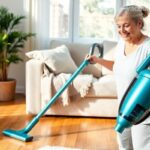 Top Lightweight Vacuums for Seniors and Easy Handling
 Best Vacuum Cleaners for High-Pile Carpets