
Benefits of Using Vacuum Seal Bags
Vacuum seal bags offer numerous advantages that make them a popular choice for food storage and preservation. Here are some of the key benefits:
- Extended Shelf Life: Vacuum sealing removes air, which helps prevent spoilage and extends the shelf life of food items.
- Prevention of Freezer Burn: By eliminating air, these bags reduce the likelihood of freezer burn, preserving the taste and texture of foods.
- Space Efficient: Vacuum-sealed bags take up less space in the refrigerator and freezer, allowing for better organization.
- Cost-Effective: By reducing waste, vacuum sealing can help save money in the long run.
- Marinade Infusion: Vacuum sealing can enhance flavor absorption in meats and vegetables when marinating.
-
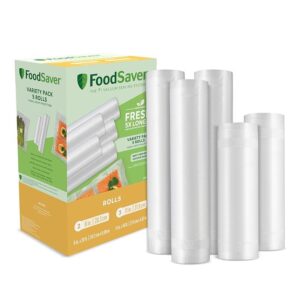
Reliable FoodSaver Bags Rolls for Perfect Airtight Food Storage
-
Honest Review: 16 Pack Vacuum Storage Bags Set – Do They Save Space?

-
Transform Your Storage with Amazon Basics Jumbo Vacuum Bags – A Must-Have!

-
Do Vacuum Bags for Travel Really Save Space? 15-Pack Review

-
Can These Vacuum Storage Bags Really Save Space? A Deep Dive!

-
Maximize Your Space with 20 Pack Vacuum Storage Bags: A Game Changer!

How to Properly Use Vacuum Seal Bags
Using vacuum seal bags correctly is essential to ensure optimal preservation of your food. Follow these steps for best results:
- Choose the Right Size: Select vacuum seal bags that fit your food items without excessive space.
- Prepare the Food: Clean and cut food as needed. Ensure that the items are dry to prevent moisture from entering the bags.
- Load the Bag: Place the food in the bag, leaving enough space at the top for sealing.
- Vacuum Seal: Use a vacuum sealer to remove air and seal the bag properly. Follow the manufacturer’s instructions for your device.
- Label and Date: Always label your vacuum-sealed bags with contents and date to track freshness.
Best Vacuum Seal Bags for Food Storage
Choosing the right vacuum seal bags is crucial for effective food preservation. Here are some top options available on the market:
- FoodSaver Vacuum Seal Bags: Known for their durability and compatibility with various FoodSaver machines.
- Nutri-Lock Vacuum Seal Bags: These bags are BPA-free and designed for heavy-duty use, making them ideal for long-term storage.
- VacMaster Vacuum Seal Bags: Excellent for sous vide cooking, these bags are heat-resistant and versatile.
- Ziploc Vacuum Seal Bags: A convenient option for casual users, compatible with the Ziploc vacuum sealer.
Vacuum Seal Bags vs. Traditional Storage Methods
When comparing vacuum seal bags to traditional storage methods, several differences stand out:
- Air Exposure: Traditional methods often leave food exposed to air, increasing spoilage risk, while vacuum seal bags effectively remove air.
- Storage Duration: Vacuum-sealed foods can last significantly longer than those stored in containers or plastic wrap.
- Flavor Preservation: Vacuum sealing helps maintain the flavor of foods better than traditional methods.
- Convenience: Vacuum seal bags are easier to stack and store than bulky containers.
Common Mistakes When Using Vacuum Seal Bags
Avoiding mistakes while using vacuum seal bags can enhance their effectiveness. Here are some common pitfalls:
- Overfilling the Bags: Filling bags too full can prevent proper sealing and air removal.
- Not Using Proper Bags: Using non-compatible or low-quality bags can lead to leaks and spoilage.
- Sealing Moist Foods: Moisture can compromise the seal; ensure food is dry before sealing.
- Ignoring Expiration Dates: Even vacuum-sealed food has a shelf life. Always check dates and rotate stock.