
What is a Wet Vacuum and How Does It Work?
A wet vacuum, also known as a wet/dry vacuum, is a versatile cleaning tool designed to handle both liquid spills and dry debris. Unlike traditional vacuums, which are primarily for dust and dirt, wet vacuums can absorb large volumes of liquid and are ideal for cleaning up messes in various environments, including homes, garages, and commercial spaces.
Wet vacuums work using a powerful motor that creates suction. The design typically includes a large tank to hold the collected liquid, a filter to separate solids from liquids, and various attachments for different cleaning tasks. When you turn on the wet vacuum, it draws in air along with debris or liquid into the tank, where it is filtered and stored for easy disposal.
-
Powerful and Compact: My Take on the Vacmaster 4-Gallon Vacuum

-
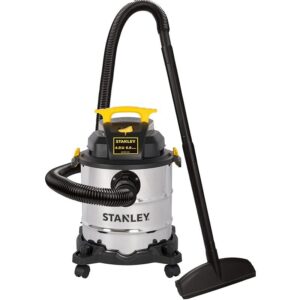
Efficient and Powerful: My Take on the Stanley Wet/Dry Vacuum 6G
-
Powerful and Versatile: Vacmaster 6G Wet/Dry Vacuum with Blower Delivers!

-
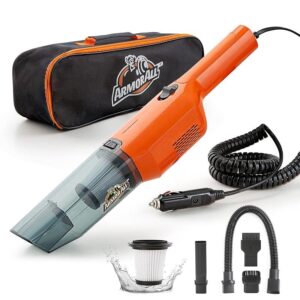
My Take on the Armor All Car Vac: Is It a Smart Buy?
-
Powerful and Versatile: My Take on the DEWALT 9 Gallon Wet/Dry Vacuum

-
My Verdict on the Armor All Vacuum: Is It Worth the Hype?

-
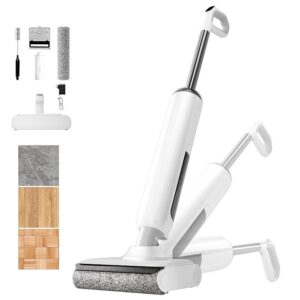
Impressive Performance and Convenience from This Wet Dry Vacuum Mop Combo
-
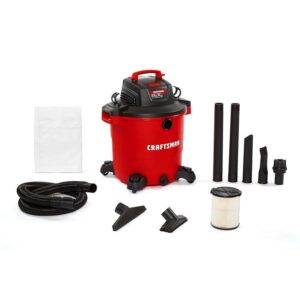
Craftsman 20 Gallon Shop Vac: A Reliable Workhorse for Cleanup
-
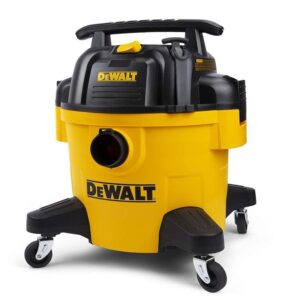
Why I Love My DEWALT 6G Shop Vac for Every Cleanup Challenge
Benefits of Using a Wet Vacuum for Cleaning
Wet vacuums offer a multitude of benefits that make them an essential tool for effective cleaning:
- Versatility: They can clean up both liquids and solids, making them suitable for a variety of tasks.
- Time-saving: Wet vacuums can quickly handle large spills or messes that would take longer to clean with traditional methods.
- Powerful Suction: Most wet vacuums are equipped with strong motors that provide excellent suction, ensuring thorough cleaning.
- Easy Disposal: Many models have a simple disposal system for liquids, allowing for quick and hassle-free cleanup.
- Durability: Wet vacuums are often built to withstand tough cleaning jobs, making them suitable for both home and industrial use.
Top Wet Vacuum Models for Home and Commercial Use
When choosing a wet vacuum, it’s crucial to consider your cleaning needs. Here are some top-rated models that cater to both home and commercial use:
- Shop-Vac 5989300: A highly regarded model that offers powerful suction and a large capacity tank, suitable for both wet and dry cleaning.
- Craftsman CMXEVBE17595: Known for its affordability and robust design, this model is perfect for DIY projects and home use.
- Stanley SL18115: A compact and portable option that is excellent for small spaces and quick cleanups.
- Ridgid WD1450: Ideal for commercial use, this wet vacuum features advanced filtration and high capacity, perfect for heavy-duty cleaning tasks.
- Shop-Vac 2030100: This model is lightweight and easy to maneuver, making it a favorite for household spills and messes.
Tips for Maintaining Your Wet Vacuum
To ensure your wet vacuum operates effectively and lasts for years, consider the following maintenance tips:
- Regular Cleaning: After each use, clean the tank and filters to prevent clogs and odors.
- Check for Damage: Regularly inspect hoses and attachments for wear and tear, replacing them as necessary.
- Store Properly: Keep your wet vacuum in a dry place to avoid rust and corrosion on electrical components.
- Follow Manufacturer Guidelines: Always adhere to the manufacturer’s instructions for maintenance and operation to ensure optimal performance.
Common Wet Vacuum Problems and Solutions
Even the best wet vacuums can encounter issues. Here are some common problems and their solutions:
- Loss of Suction: This may occur due to clogged filters or hoses. Check and clean them regularly to restore suction power.
- Water Leaks: If you notice leaks, inspect the tank for cracks or loose seals. Tighten or replace seals as needed.
- Overheating: If the motor overheats, allow the vacuum to cool down and check for blockages that may be causing strain.
- No Power: If your wet vacuum won’t turn on, check the power cord and outlet. If everything seems fine, the motor may need professional servicing.