
In this article, we will explore the longevity of vacuum cleaner bags and batteries, two essential components that significantly impact the performance of your cleaning appliance. We will delve into various factors that influence their lifespan, as well as provide practical suggestions for maintenance and replacement. By understanding these aspects, you can maximise the efficiency of your vacuum cleaner and ensure it remains in optimal condition for years to come.
Understanding Vacuum Cleaner Bags
When it comes to maintaining your vacuum cleaner, understanding the components that contribute to its efficiency is essential. One such component is the vacuum cleaner bag. These bags play a critical role in the overall performance of your vacuum cleaner by trapping dirt, dust, and allergens.
Lifespan of vacuum bags
The lifespan of vacuum cleaner bags can vary significantly based on several factors, including usage frequency, type of debris collected, and the specific model of the vacuum cleaner. On average, a standard vacuum bag can last anywhere from one month to three months. However, if you have pets or a particularly dusty environment, you may find that you need to replace your bags more frequently.
Signs of wear and tear
It is crucial to keep an eye out for signs that your vacuum bag needs replacing. Here are some indicators:
- Reduced suction power: If you notice that your vacuum is not picking up debris as effectively as it once did, it might be time to change the bag.
- Visible damage: Check for tears or holes in the bag, which can allow dust and allergens to escape back into your home.
- Fullness: Many vacuum cleaner bags have a fill line. If you exceed this line, it’s time to replace the bag.
Battery Life in Vacuum Cleaners
For cordless vacuum cleaners, battery life is a pivotal factor that determines usability. Understanding how long your vacuum’s battery lasts and what affects its performance is essential for effective cleaning.
Typical battery lifespan Most rechargeable vacuum cleaner batteries can last anywhere from 2 to 5 years, depending on usage and care. Lithium-ion batteries, commonly used in modern vacuums, tend to have a longer lifespan compared to older nickel-cadmium batteries.
Factors affecting battery performance Several factors can influence the performance and longevity of your vacuum cleaner’s battery:
- Charging habits: Regularly overcharging or undercharging can reduce battery life.
- Usage patterns: Frequent high-power settings can drain the battery faster.
- Temperature: Extreme hot or cold conditions can negatively impact battery efficiency.
Tips for Extending Longevity
To maximise the lifespan of both your vacuum cleaner bags and batteries, proper maintenance and storage practices are essential.
Maintenance practicesHere are some maintenance tips to keep your vacuum cleaner running efficiently:
- Regularly clean or replace filters, as clogged filters can affect suction and battery performance.
- Check for blockages in hoses and brushes to ensure optimal airflow.
- Avoid vacuuming large debris that can damage the bag or motor.
When not in use, consider the following storage tips:
- Store your vacuum in a cool, dry place to prevent battery degradation.
- Ensure the vacuum is turned off and unplugged when storing to avoid accidental operation.
- Keep the vacuum upright to prevent any damage to the motor or battery.
When to Replace Bags and Batteries
Knowing when to replace vacuum cleaner bags and batteries is crucial for maintaining the efficiency of your vacuum cleaner.
Indications for replacement
You should consider replacing your vacuum bag or battery if you observe:
- Significant loss of suction despite cleaning filters and hoses.
- Visible signs of wear, such as swelling or leaking from the battery.
- Frequent need to charge the battery, indicating it no longer holds a charge effectively.
Recommended replacement schedules
A good rule of thumb is to replace vacuum bags every 1-3 months, while batteries should be evaluated for replacement every 2-5 years. However, this can vary based on usage and the quality of the products used.
Choosing the Right Products
Not all vacuum cleaner bags and batteries are created equal. Selecting high-quality products can significantly impact the performance of your vacuum.
Selecting quality bags
When choosing vacuum bags, look for:
- Compatibility with your vacuum model to ensure a snug fit.
- High-filtration options that trap allergens and fine dust particles.
- Durable materials that prevent tearing during use.
Finding the best batteries
Similarly, when selecting replacement batteries, consider:
- Battery type: Ensure you are buying the correct type for your model (Li-ion vs. Ni-Cd).
- Brand reputation: Opt for batteries from reputable manufacturers known for quality.
- Warranty options: A good warranty can provide peace of mind regarding your purchase.
Conclusion and Recommendations
In conclusion, understanding the lifespan and maintenance of vacuum cleaner bags and batteries is essential for optimal performance.
Summary of key points
- Monitor the condition of your vacuum bags and batteries regularly.
- Implement maintenance practices to extend their lifespan.
- Know when to replace bags and batteries to avoid performance issues.
- Choose quality products to ensure your vacuum functions efficiently.
Final tips for users
Regularly check our product section for high-quality vacuum bags and batteries that can help maintain your vacuum cleaner’s performance. By following these guidelines, you can ensure your vacuum cleaner remains an effective tool in your home cleaning arsenal.
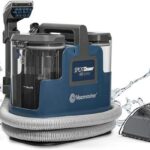 Best Vacuum Cleaners for Sofas and Upholstery
 How to Find Vacuum Cleaner Deals Online
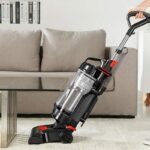 How to Choose the Best Vacuum for Pet Messes