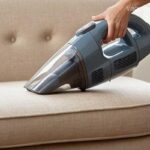
In this article, we will delve into the critical topic of vacuum cleaner bag maintenance, specifically addressing the question of how often these bags should be changed for optimal performance. Maintaining your vacuum cleaner is essential for ensuring it operates efficiently and extends its lifespan. We will provide valuable insights and suggestions to help you determine the best frequency for changing your vacuum bags based on various factors, including usage habits and bag type.
Vacuum Bag Indicators
Understanding when to change your vacuum cleaner bag is crucial for maintaining optimal performance. There are several signs that indicate a bag needs changing, and being attentive to these can prolong the life of your vacuum cleaner and enhance its efficiency.
- Loss of Suction: One of the first signs you might notice is a significant decrease in suction power. If your vacuum is struggling to pick up dirt and debris, it could be a sign that the bag is full.
- Visible Fullness: If you can see through the bag or it appears bulging, it’s a clear indicator that it’s time for a change.
- Unpleasant Odours: A full or dirty bag can emit foul smells, particularly if it contains food particles or pet hair.
- Overheating: If your vacuum cleaner is overheating or shutting off unexpectedly, this could be due to a clogged or full bag.
Frequency of Changes
The frequency at which you should replace your vacuum cleaner bag is primarily influenced by your usage patterns and the conditions within your household. It is crucial to perform regular maintenance to ensure your vacuum operates efficiently.
- Weekly Changes: If you have pets or experience high foot traffic in your home, it is recommended to change the bag on a weekly basis.
- Monthly Changes: For typical households that use the vacuum moderately, changing the bag once a month is advisable.
- Seasonal Changes: For those who use the vacuum less frequently, consider changing the bag at the start of each season to keep it in optimal condition.
Impact on Performance
The performance of your vacuum cleaner can be significantly affected by a full or clogged bag. Understanding this impact can help you maintain better cleaning efficiency.
- Reduced Suction: A full bag restricts airflow, leading to decreased suction power. This means more passes are needed to achieve the same level of cleanliness.
- Increased Wear and Tear: Operating a vacuum with a full bag can strain the motor, leading to potential damage and a shorter lifespan.
- Higher Energy Consumption: A vacuum working harder due to a full bag may consume more energy, leading to higher electricity bills.
Types of Vacuum Bags
Not all vacuum bags are created equal. Familiarising yourself with the different types available can assist in better maintenance and performance.
- Paper Bags: These are disposable and typically used in standard vacuum cleaners. They are affordable but may require more frequent changes.
- Cloth Bags: Reusable and washable, cloth bags are eco-friendly but require regular maintenance to prevent clogs.
- HEPA Bags: High-Efficiency Particulate Air (HEPA) bags are designed to trap allergens and fine particles. They may be more expensive but are ideal for allergy sufferers.
- Microfiltration Bags: These bags offer additional filtration and are great for capturing small particles, making them a good option for households with pets.
DIY Tips for Maintenance
Taking care of your vacuum cleaner can extend its lifespan and improve its performance. Here are some simple tips for maintaining your vacuum bags and overall device.
- Regular Inspection: Check your vacuum bag regularly for fullness and replace it as needed.
- Clean Filters: If your vacuum has filters, clean or replace them according to the manufacturer’s guidelines to maintain optimal airflow.
- Avoid Overfilling: Don’t wait until your bag is absolutely full to change it; this can lead to clogs and performance issues.
- Store Properly: When not in use, store your vacuum in a dry, cool place to prevent moisture buildup and bag degradation.
Environmental Considerations
As awareness of environmental issues grows, many are looking for eco-friendly disposal options for vacuum bags. Here are some considerations for responsible disposal.
- Recycling: Check if your local council offers recycling for paper vacuum bags. Some types of cloth bags can also be recycled or composted.
- Composting: If your vacuum bags are made of biodegradable materials, consider composting them where permitted.
- Reusable Options: Opt for reusable vacuum bags when possible, which can significantly reduce waste.
- Manufacturer Take-Back Programs: Some manufacturers offer take-back programs for used bags; check with the brand to see if this is an option.
For more information on vacuum cleaners and their accessories, feel free to explore our product section on our website. Understanding the nuances of vacuum bag maintenance can lead to better cleaning results and a longer lifespan for your appliance.