
This article will delve into effective strategies to prevent your vacuum cleaner from overheating, ensuring optimal performance and longevity. Overheating can reduce suction power and potentially damage your device, making it crucial to take preventive measures. We will discuss practical tips, maintenance suggestions, and common pitfalls to avoid, helping you maintain your vacuum’s smooth operation for years to come.
Common Causes of Overheating
Overheating in vacuum cleaners can lead to poor performance and, in some cases, permanent damage. Understanding the common causes can help you avoid these issues in the first place. Here are several factors that contribute to vacuum overheating:
- Clogged Filters: Dust and debris can accumulate in the vacuum’s filters over time, restricting airflow and causing the motor to work harder than necessary.
- Full Dust Canister: A dust canister that is full or a vacuum bag that needs replacing can impede airflow, leading to overheating.
- Overheating Motor: Continuous use without breaks can cause the motor to overheat, especially if it’s working under excessive strain.
- Faulty Wiring or Components: Damaged wiring or defective components can lead to electrical issues that may result in overheating.
- Improper Use: Using the vacuum on inappropriate surfaces or for unintended purposes can lead to overheating.
By being aware of these common causes, you can take proactive steps to keep your vacuum cleaner functioning optimally.
Regular Maintenance Tips
To prevent overheating, regular maintenance is essential. Here are some practical tips to ensure your vacuum operates efficiently:
- Clean or Replace Filters: Check your vacuum’s filters regularly and clean or replace them as needed to maintain airflow.
- Empty the Dust Canister: Make it a habit to empty the dust canister after each use, or replace the vacuum bag if applicable.
- Inspect the Hose: Look for clogs or blockages in the hose and remove any debris that may obstruct airflow.
- Check the Brush Roll: Remove hair and debris from the brush roll to ensure it rotates freely, preventing unnecessary strain on the motor.
- Service the Vacuum: Schedule regular professional servicing to address any potential issues before they escalate.
Maintaining your vacuum cleaner not only prevents overheating but also extends its lifespan.
Signs of an Overheating Vacuum
Being able to recognize the signs of an overheating vacuum is crucial for taking timely action. Here are some indications that your vacuum may be overheating:
- Unusual Smells: A burning smell or an acrid odour can indicate that the motor is overheating.
- Loss of Suction: If you notice a significant drop in suction power, it may be a sign that the vacuum is struggling to function properly.
- Motor Shutdown: Many vacuums are designed to automatically shut off to prevent damage when they overheat.
- Excessive Noise: Loud or unusual noises coming from the motor can indicate that it is under stress, potentially leading to overheating.
- Physical Heat: If the body of the vacuum feels excessively hot to the touch, it is likely overheating.
If you observe any of these signs, it’s important to stop using the vacuum immediately to prevent further damage.
Choosing the Right Vacuum for Your Needs
Selecting the appropriate vacuum cleaner for your specific needs can significantly reduce the risk of overheating. Consider the following factors when making your choice:
- Type of Flooring: Different vacuums are designed for various floor types. Ensure the vacuum you choose is suitable for your home’s flooring.
- Size of Your Home: For larger homes, consider models with larger dust capacities and longer cord lengths to reduce the frequency of emptying and plugging in.
- Usage Frequency: If you vacuum frequently, invest in a durable model designed for regular use. Lightweight models may overheat if used continuously.
- Allergies: If you have allergies, consider a vacuum with HEPA filters that can trap allergens and improve air quality.
- Pet Owners: Look for vacuums specifically designed to tackle pet hair, as these often feature stronger suction and specialized accessories.
Selecting the right vacuum can enhance efficiency and reduce overheating risks.
When to Seek Professional Help
If you’ve taken the necessary steps to maintain your vacuum and still experience overheating issues, it may be time to consult a professional. Seek help in the following situations:
- Persistent Overheating: If your vacuum continues to overheat despite regular maintenance, it may have underlying issues that require expert attention.
- Unusual Noises: If your vacuum starts making strange sounds, it’s best to have a professional inspect it to prevent further damage.
- Electrical Problems: If you notice any electrical issues, such as flickering lights when using the vacuum, professional assistance is crucial.
- Smoke or Burning Smells: These are serious warning signs that should never be ignored. Stop using the vacuum immediately and seek professional help.
Addressing potential problems early can save you time and money in the long run.
Best Practices for Safe Operation
To ensure your vacuum operates safely and efficiently, follow these best practices:
- Read the Manual: Familiarize yourself with the manufacturer’s instructions and guidelines to ensure proper use.
- Avoid Overuse: Take breaks during prolonged vacuuming sessions to allow the motor to cool down.
- Use on Appropriate Surfaces: Ensure the vacuum is suitable for the surface you are cleaning to avoid unnecessary strain.
- Keep Cords and Hoses Clear: Avoid tangling and kinking that may impede airflow and cause overheating.
- Store Properly: When not in use, store your vacuum in a cool, dry place to prevent damage.
By following these best practices, you can ensure the longevity and efficiency of your vacuum cleaner.
If you’re interested in learning more about vacuums and exploring our product section, feel free to browse our website for more information and ideas.
 Best Robot Vacuums for Home and Apartment
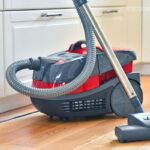 How to Choose the Right Vacuum for Your Home
 Best Vacuum Cleaners for Pet Hair