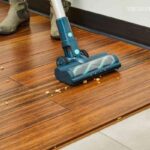
In this article, we will delve into the key factors to consider when choosing the ideal vacuum cleaner for your home. From gaining insight into the various types of vacuums available to assessing features that meet your unique cleaning requirements, we will offer you valuable insights and practical suggestions. Whether you have pets, suffer from allergies, or simply seek an efficient cleaning solution, this guide is designed to assist you in making a well-informed choice that aligns with both your lifestyle and budget.
Key Features to Consider
When selecting a vacuum cleaner, it’s essential to focus on the key features that will meet your cleaning needs. Understanding these features can help you make an informed decision and ultimately enhance your home cleaning routine. Here are some essential vacuum features to consider:
- Suction Power: The strength of the vacuum’s suction is crucial for effective cleaning. Look for models with adjustable suction settings to cater to different surfaces.
- Filtration System: A good filtration system is vital, especially for allergy sufferers. HEPA filters are recommended for capturing allergens and dust particles.
- Capacity: Consider the dust container or bag capacity. Larger capacities mean less frequent emptying, which can be a time-saver.
- Weight and Portability: A lightweight vacuum is easier to manoeuvre and carry, especially in multi-storey homes or for cleaning stairs.
- Noise Level: Some vacuums operate quietly, which can be a significant consideration if you have young children or pets.
Types of Vacuums Explained
There is a wide variety of vacuum cleaners available, each designed for specific cleaning tasks. Understanding these types can help you choose the right one for your home:
- Upright Vacuums: Ideal for large carpeted areas, these vacuums offer powerful suction and are easy to store.
- Canister Vacuums: Versatile and suitable for both carpets and hard floors, canister vacuums are easier to manoeuvre in tight spaces.
- Robot Vacuums: Perfect for maintaining cleanliness without manual effort. They autonomously navigate your home and can be programmed to clean on a schedule.
- Handheld Vacuums: Great for quick clean-ups and hard-to-reach areas. These are lightweight and portable, making them perfect for spot cleaning.
- Stick Vacuums: These cordless models are convenient for quick clean-ups and are ideal for homes with hard floors.
Budgeting for Your Purchase
Establishing a budget for your vacuum cleaner is a crucial step in the buying journey. Here are some valuable tips to help you create your vacuum budget:
- Research Prices: Investigate various brands and models, comparing prices to gain insight into what fits within your financial range.
- Consider Long-Term Costs: Include expenses for replacement bags, filters, and maintenance when determining your overall budget.
- Prioritise Features: Identify which features matter most to you and assign a portion of your budget to those aspects.
- Look for Sales: Stay alert for seasonal discounts or promotional offers, as these can greatly lower the price of premium models.
Reading Reviews and Ratings
Customer feedback is an invaluable resource when choosing a vacuum cleaner. Here’s why reading reviews and ratings is essential:
- Real-Life Experiences: Reviews provide insights into how well a vacuum performs in everyday situations, beyond just the specifications.
- Common Issues: Customers often highlight any common problems they’ve encountered, allowing you to avoid potential pitfalls.
- Comparisons: Ratings can help you compare different models within your budget, making your decision-making process easier.
- Brand Reputation: Consistent feedback can indicate a brand’s reliability and customer service quality.
Maintenance Tips for Longevity
To keep your vacuum cleaner in top shape and extend its lifespan, consider these maintenance tips:
- Regular Cleaning: Clean the filters and brush rolls regularly to maintain suction power and efficiency.
- Check for Blockages: Periodically inspect the hose and attachments for any clogs that could affect performance.
- Replace Parts: Be proactive in replacing worn-out bags, filters, and belts. This can prevent further damage to the vacuum.
- Store Properly: Store your vacuum in a dry place to prevent moisture damage and ensure it’s ready for use when needed.
Where to Buy Your Vacuum
Finding the right place to purchase your vacuum is as important as the vacuum itself. Here are some of the best places to shop:
- Online Retailers: Websites like Amazon and eBay offer a wide range of options and often feature customer reviews.
- Brand Websites: Purchasing directly from the manufacturer’s website can provide exclusive deals and detailed product information.
- Department Stores: Physical stores like John Lewis or Currys PC World allow you to see the product in action and ask questions to knowledgeable staff.
- Specialty Appliance Stores: These stores often have a curated selection of high-quality vacuums and knowledgeable staff to assist you.
Eco-Friendly Options
With increasing awareness of environmental issues, many consumers are looking for sustainable vacuum choices. Here are some eco-friendly options to consider:
- Energy-Efficient Models: Look for vacuums that consume less power while providing excellent suction.
- Recyclable Materials: Choose vacuums made from recyclable materials or those that offer a recycling program for their products.
- Bagless Designs: Bagless vacuums can reduce waste, eliminating the need for disposable bags.
- Brands with Green Initiatives: Opt for companies that prioritize sustainability in their manufacturing processes and business practices.
For more information and to explore a range of vacuums, be sure to check out our product section on our website. This way, you can find the best vacuum that suits your needs while being informed about the features and options available.