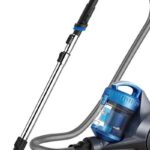
This article delves into effective strategies to maintain your vacuum cleaner, ensuring it performs at its best for years to come. From routine cleaning tips to essential maintenance checks, we will provide you with practical ideas and suggestions that will help prolong the life of your appliance and enhance its efficiency. Whether you own a traditional upright model or a modern robot vacuum, you’ll find valuable insights to keep your cleaning companion in prime condition.
Maintenance Tips for Longevity
Keeping your vacuum cleaner in optimal condition is essential for ensuring its efficiency and longevity. Here are some key maintenance tips to follow:
Regular filter cleaning
One of the most important aspects of vacuum maintenance is keeping the filters clean. Most vacuums have either a HEPA filter or a foam filter that needs to be checked and cleaned regularly. A clogged filter can significantly reduce suction power and lead to overheating. Depending on the model, you should clean or replace your filter every 1 to 3 months. Consult your vacuum cleaner’s manual for specific instructions on how to clean or replace the filter.
Inspecting the brushes
The brushes are crucial for effective dirt and debris pickup. Over time, hair, lint, and other debris can wrap around the brushes, impeding their function. Regularly inspect the brush roll for clogs and remove any debris. In some models, brushes can be easily detached for thorough cleaning. Ensure that the brushes are rotating freely and are not worn down. If they are damaged, consider replacing them to maintain optimal performance.
Common Issues and Solutions
Despite regular maintenance, vacuum cleaners may encounter issues. Here are common problems along with their solutions:
Clogs and blockages
Clogs are a frequent problem that can significantly impact suction power. If you experience reduced performance, check the hose, wand, and any attachments for blockages. To resolve clogs, disconnect the hose and use a long object, such as a broom handle, to gently push out any obstructions. Additionally, ensure that the dust canister or bag isn’t full, as this can also impede airflow.
Loss of suction
A noticeable loss of suction can stem from various factors, including a clogged filter, full dust canister, or a damaged hose. Start by checking the filters and ensuring they are clean. If the problem persists, inspect the hose for holes or cracks. Even a small tear can lead to significant loss of suction. Replace any damaged parts to restore your vacuum’s efficiency.
Proper Usage Techniques
Proper usage techniques can greatly enhance the performance and lifespan of your vacuum cleaner. Here are some tips to consider:
Correct vacuuming techniquesUsing the right technique while vacuuming can make a substantial difference. Always vacuum in straight lines, overlapping each pass slightly to ensure thorough cleaning. Use slow, deliberate movements to allow the vacuum cleaner to pick up dust and dirt effectively. Avoid rushing, as this can lead to missed spots and inefficiency.
Using the right attachmentsMost vacuum cleaners come with various attachments designed for specific cleaning tasks. For instance, use a crevice tool for tight corners, an upholstery brush for furniture, and a floor nozzle for hard surfaces. Using the correct attachment not only ensures better cleaning results but also helps protect your vacuum from damage. Familiarise yourself with the different tools available and utilise them accordingly for the best results.
When to Seek Professional Help
While regular maintenance and proper usage techniques can solve many vacuum issues, there are times when professional help is necessary. Here are some indicators:
Signs of serious malfunction
If your vacuum cleaner is making unusual noises, emitting strange smells, or showing signs of overheating, it may indicate a serious malfunction. Additionally, if you notice smoke coming from the motor or if the vacuum shuts off unexpectedly, these are critical signs that require immediate attention. Continuing to use a malfunctioning vacuum can lead to further damage, so it’s best to consult a professional.
Repair vs. replacement decisions
When faced with a malfunctioning vacuum, you may find yourself weighing the options of repair versus replacement. If your vacuum is relatively new and the repair costs are manageable, it may be worth fixing. However, if your vacuum is older and repairs are costly, investing in a new model might be more economical in the long run. Consider the age of your vacuum, the cost of repairs, and your cleaning needs when making this decision.
In conclusion, taking the time to maintain your vacuum cleaner can lead to enhanced performance and a longer lifespan. By following these maintenance tips, addressing common issues promptly, utilizing proper techniques, and knowing when to seek professional help, you can ensure your vacuum operates efficiently for years to come. For more information and ideas related to vacuum maintenance, be sure to check out our product section on our website!