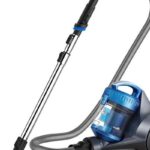
This article aims to delve into a variety of strategies and maintenance tips designed to prolong the lifespan of your vacuum cleaner. Consistent care and thoughtful usage can dramatically improve its efficiency and longevity. We will discuss crucial cleaning methods, recommended timelines for part replacements, and practical advice to help your vacuum cleaner continue to be a dependable household ally for many years ahead.
Maintenance Tips
Maintaining your vacuum cleaner is essential for its longevity and efficiency. With regular care, you can ensure that your vacuum remains in optimal working condition. Here are some key maintenance tips to keep in mind:
- Regular cleaning routines: Establish a schedule for cleaning your vacuum cleaner. This includes emptying the dust container or replacing the bag after every use, checking the brush rolls for debris, and wiping down the exterior to keep it looking new.
- Check for blockages: Regularly inspect the hose and filters for clogs. Blockages can significantly reduce suction power and strain the motor.
- Keep the cords untangled: Avoid tangling the power cord to prevent wear and tear. After using the vacuum, carefully wind the cord to avoid damaging it.
Filter Care
Filters are crucial components of your vacuum cleaner, as they trap dust and allergens, ensuring cleaner air quality in your home.
- Importance of filter replacement: Filters should be checked regularly and replaced according to the manufacturer’s recommendations. A clogged or dirty filter can restrict airflow, reducing suction power and efficiency. Depending on your vacuum model, some filters can be washed and reused, while others need replacing.
- Types of filters: Familiarise yourself with the different types of filters your vacuum may use, such as HEPA or foam filters. Each has specific care requirements, so ensure you follow the guidelines relevant to your model.
Bag Management
If your vacuum operates with bags, managing them correctly is vital for maintaining performance.
- Choosing the right bags: Always opt for the correct type of vacuum bags that match your model. Using non-compatible bags can lead to leaks and reduced efficiency. Look for high-efficiency bags that trap more dust and allergens, ideal for allergy sufferers.
- Monitoring bag fullness: Don’t wait until the bag is completely full to change it. A full bag can impede airflow and suction, making your vacuum work harder and wear out faster.
Storage Solutions
Proper storage of your vacuum cleaner can prevent damage and prolong its life.
- Proper storage practices: Store your vacuum in a dry area to avoid moisture damage. If your model has detachable components, consider taking them off for compact storage. Avoid placing heavy items on top of the vacuum to prevent damage to the body or attachments.
- Check battery health (for cordless models): For cordless vacuum cleaners, ensure the battery is charged regularly and stored properly. Avoid letting the battery fully discharge, as this can reduce its lifespan.
Usage Techniques
How you use your vacuum cleaner can significantly impact its performance and durability.
- Best practices for use: Always use the vacuum on appropriate surfaces; for example, avoid using a vacuum designed for carpets on hard floors without the correct settings. This can lead to unnecessary wear on the machine.
- Utilise attachments: Make the most of vacuum attachments for specific tasks. Using the correct nozzle for corners or upholstery can enhance cleaning efficiency and reduce the wear on the main unit.
Repair vs. Replace
Sometimes, a vacuum cleaner may require repairs, but knowing when it’s time to replace it can save you money in the long run.
- When to consider replacement: If your vacuum cleaner is over ten years old, frequently breaks down, or the cost of repairs exceeds half the price of a new model, it may be time to invest in a replacement. Additionally, if your vacuum no longer meets your cleaning needs, consider exploring modern options that offer improved technology and efficiency.
- Evaluate performance: Keep an eye on how well your vacuum performs. If you notice a significant drop in suction power, it may indicate that it’s time for a replacement.
By following these maintenance tips, you can enhance the performance and lifespan of your vacuum cleaner. Remember, regular care and attention to detail can make a significant difference.
For more insights and ideas on vacuum maintenance, be sure to check out our product section on the website, where you can find various useful resources. Happy cleaning!