This article will examine effective strategies for preserving the suction power of your vacuum cleaner, ensuring it operates at its best over time. We will investigate practical tips and suggestions, focusing on aspects like regular maintenance, filter cleaning, and proper usage techniques. By adhering to these guidelines, you can prolong the lifespan of your vacuum and boost its efficiency, making your cleaning tasks not only easier but also more effective.
Understanding Suction Power
Suction power is a critical factor in the performance of a vacuum cleaner. It determines how effectively the machine can pick up dirt, dust, and debris from various surfaces. The suction power of a vacuum is typically measured in air watts (AW) or suction pressure (inches of water lift). Understanding how this power works can help you maintain your vacuum and ensure it operates at peak efficiency.
Several factors can affect suction power, including the design of the vacuum, the type of motor used, and the cleanliness of the filters and hoses. A vacuum with high suction power can make cleaning quicker and more efficient but may also have specific maintenance needs to maintain that power.
Regular Maintenance Tips
Maintaining your vacuum cleaner is essential to ensure its longevity and performance. Here are some key maintenance tips:
- Clean filters regularly: Clogged filters can significantly reduce suction power.
- Check belts: Ensure that belts are intact and functioning properly, as a damaged belt can impair performance.
- Inspect hoses: Look for cracks or blockages in hoses that might hinder airflow.
- Schedule deep cleanings: Regularly deep clean your vacuum to remove built-up dirt and grime.
Choosing the Right Filters
Filters play a vital role in maintaining suction power. They trap dust and allergens, preventing them from being released back into the air. Here’s how to choose the right filters:
- Type of filter: Consider HEPA filters for superior filtration, especially if you suffer from allergies.
- Check compatibility: Ensure the filter is compatible with your vacuum model.
- Replacement frequency: Follow the manufacturer’s recommendations on how often to replace filters.
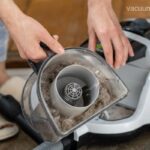
Properly Emptying the Dust Canister
A full dust canister can lead to a significant drop in suction power. Here are some guidelines for emptying it properly:
- Regular intervals: Empty the canister when it reaches the fill line; this is usually after every use.
- Shake and tap: Gently shake or tap the canister to ensure all debris is removed.
- Clean the canister: Occasionally wash the canister with warm soapy water to remove residue and odours.
Inspecting and Cleaning Brushes
The brushes of your vacuum are critical for agitating dirt from carpets and floors. To maintain suction power, regularly inspect and clean these components:
- Remove hair and debris: Hair and threads can get tangled in the brushes, reducing their effectiveness.
- Check for wear: Inspect brushes for wear and tear; replace them if the bristles are frayed.
- Clean the brush housing: Wipe down the area where the brushes sit to prevent dirt build-up.
Checking for Blockages
Blockages in your vacuum can severely impact suction power. Here’s how to check for and resolve them:
- Inspect hoses: Look for any obstructions in the hoses that may prevent airflow.
- Check the nozzle: Ensure that the vacuum’s nozzle is free from any clogs that could hinder performance.
- Use a flashlight: Shine a light through hoses and the canister to spot hidden blockages.
Upgrading Vacuum Accessories
Sometimes, enhancing your vacuum’s performance may require upgrading its accessories. Consider the following:
- Specialty attachments: Look for attachments designed for specific surfaces or tasks, such as upholstery or pet hair removal.
- Advanced brush heads: Investing in high-quality brush heads can improve cleaning efficiency on different floor types.
- Extension wands: These can help you reach difficult areas without compromising suction.
When to Seek Professional Help
Despite your best efforts, there may come a time when your vacuum requires professional attention. Here are signs that you should consider seeking help:
- Persistent loss of suction: If you’ve maintained your vacuum and it still lacks suction, it may need a professional inspection.
- Unusual noises: Strange sounds could indicate internal issues that require expert diagnosis.
- Frequent breakdowns: Regular malfunctions may suggest that the vacuum is nearing the end of its lifespan.
Maintaining your vacuum cleaner is essential for ensuring it works effectively and lasts longer. By understanding suction power, regularly maintaining your machine, and checking for common issues, you can keep your vacuum in top shape. For more tips and ideas on vacuum accessories and maintenance, feel free to browse our product section on our website!